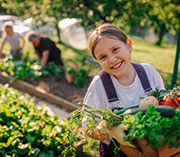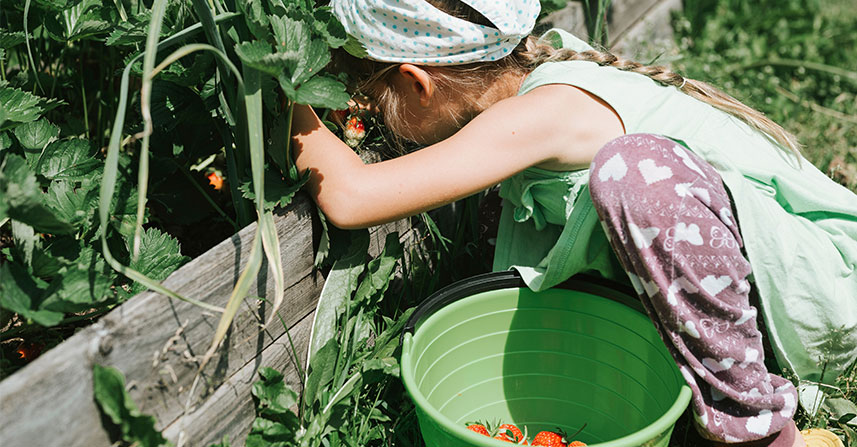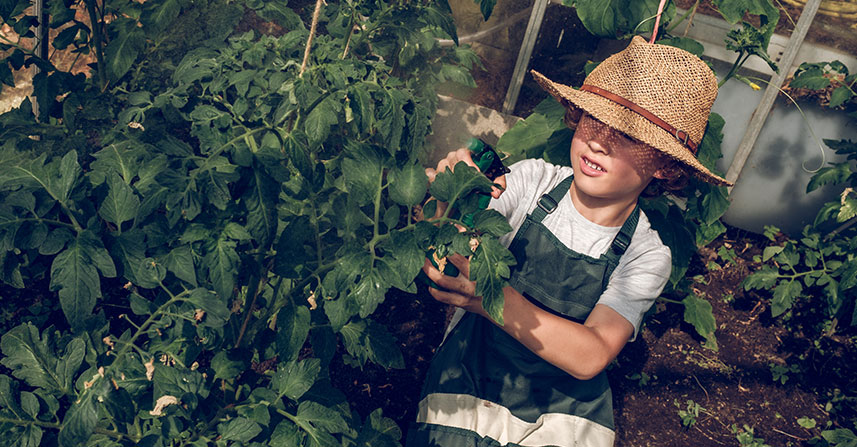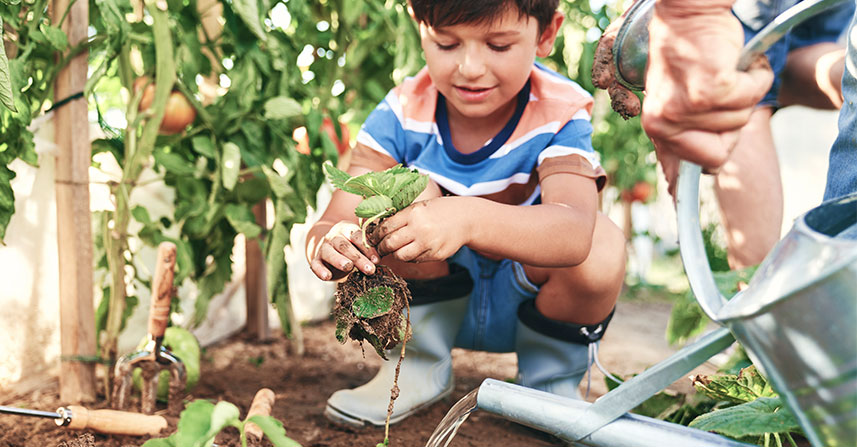
Why a Farming Challenge Works for Families
Children learn best when they’re hands-on. Planting seeds, watering them, and watching them sprout helps kids understand patience, responsibility, and the cycle of life. For parents, it’s a chance to slow down, step away from screens, and share small daily rituals with their child.
How to Start the Challenge
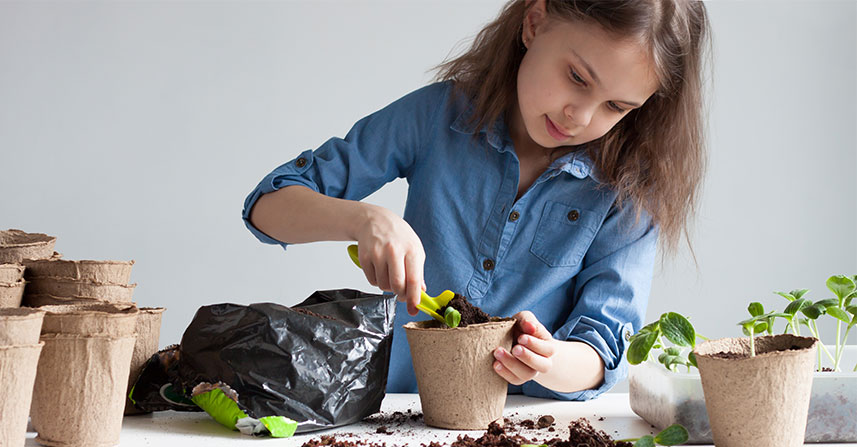
1. Pick a Plant- Choose something simple to grow: basil, mint, cherry tomatoes, or even sunflowers. Easy-to-care-for plants keep kids motivated when they see quick results.
- No garden? No problem. A balcony, windowsill, or even a recycled plastic bottle can become your mini-farm.
- Divide responsibilities. One person waters, another checks sunlight. This way, it feels like teamwork, not a chore.
- Keep a plant diary. Children can draw or write down changes each week—like the first sprout, new leaves, or flowers.
- When the plant flowers or bears fruit, celebrate. Cook with the herb, eat the veggie, or display the flower proudly.
What Kids Learn Along the Way
- Responsibility: remembering to water and care for the plant.
- Patience: nature doesn’t hurry, and growth takes time.
- Gratitude: seeing how much effort it takes for food or flowers to appear.
- Bonding: working side by side with a parent builds memories that last.
The Bigger Picture
This small challenge plants more than seeds. It plants values, care, attention, and respect for nature. Families that garden together not only grow food but also grow stronger relationships.
Closing Thought
Take up the challenge: pick a plant, set a goal, and grow it together. It’s a simple act that leaves children with lasting lessons and parents with shared moments of joy.